
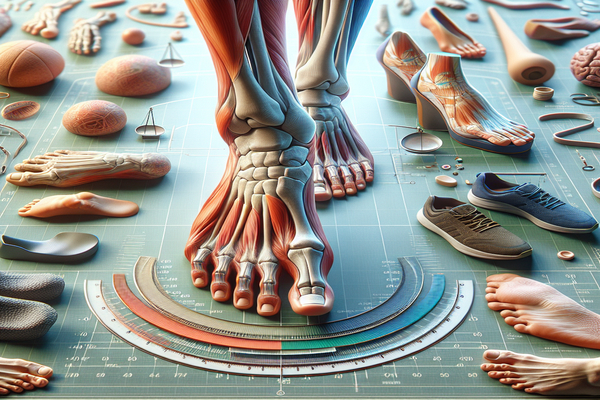
How Your Foot Type Affects Your Posture, Balance and Daily Comfort
Understanding Foot Types and Their Impact on Posture
At The Springfield Clinic in Bishopbriggs, Glasgow, we understand that your foot type plays a significant role in determining your overall posture, balance, and daily comfort. This article will provide you with evidence-based insights into how different foot types affect these aspects and what can be done to improve your foot health.
What Are the Different Foot Types?
Foot types can typically be classified into three main categories:
- Neutral Feet: Characterized by an even distribution of weight across the foot, neutral feet have an adequate arch height and provide optimal support.
- Flat Feet: Also known as pes planus, flat feet lack a natural arch and can lead to overpronation, where the foot rolls inward excessively during walking or running.
- High-Arched Feet: Known as pes cavus, this foot type has excessive arch height which can lead to underpronation, where the foot does not roll inward enough.
How Does Your Foot Type Affect Your Posture?
Your foot type can significantly influence your body posture. A neutral foot type typically offers better alignment from the feet up through the spine, while flat feet and high-arched feet may predispose you to postural issues.
Flat Feet and Postural Issues
Individuals with flat feet often experience a misalignment in the knees, hips, and lower back, leading to discomfort and pain. For example, overpronation can cause the pelvis to tilt forward, stressing the lumbar spine.
High-Arched Feet and Postural Challenges
Conversely, high-arched feet may lead to a more rigid foot structure, which can result in improper weight distribution. This rigidity can lead to increased stress on the lower back and other joints, causing compensatory postural adjustments that can lead to discomfort.
How Foot Type Influences Balance
Balance is crucial for daily activities and is significantly affected by your foot structure. Proper foot function involves the integration of sensory feedback from the feet to the brain, which helps maintain equilibrium.
Flat Feet and Balance Issues
Flat-footed individuals may struggle with balance due to overpronation, which can lead to instability during movement. This lack of stability can increase the risk of falls, particularly in older adults.
High-Arched Feet and Balance Challenges
High-arched individuals often have difficulty in balance stabilization due to the rigid nature of their foot. This may contribute to compensatory movements that can increase the likelihood of ankle sprains and similar injuries.
Daily Comfort and Foot Structure
The way your feet are structured impacts your comfort level throughout the day. Proper footwear and supportive treatments tailored to your foot type can enhance your everyday comfort significantly.
Finding the Right Footwear
For those with flat feet, shoes with arch support, motion control features, and cushioning can provide relief. In contrast, individuals with high arches may benefit from cushioned shoes that offer more flexibility and shock absorption.
Orthotics and Their Benefits
Custom orthotics can be highly beneficial for both flat and high-arched feet. These medical devices are designed to correct imbalances and provide the necessary support to enhance foot alignment. They can significantly improve comfort, posture, and balance.
What Conditions Are Associated with Different Foot Types?
Different foot types can predispose you to various common foot conditions:
- Flat Feet: May lead to plantar fasciitis, Achilles tendonitis, and shin splints.
- High-Arched Feet: Often associated with conditions such as heel pain, metatarsalgia, and ankle instability.
How Can I Treat Foot-Related Issues?
At The Springfield Clinic, we recommend several approaches for managing foot-related issues based on your foot type:
- Physical Therapy: Biomechanical assessments and targeted exercises can improve strength and flexibility.
- Custom Orthotics: As mentioned earlier, these devices can provide personalized support.
- Footwear Recommendations: Consult a podiatrist for advice on appropriate footwear tailored to your needs.
- Medication: Non-steroidal anti-inflammatory drugs (NSAIDs) can help relieve pain associated with foot conditions.
Q&A Section
1. How can I determine my foot type?
You can conduct a wet footprint test or consult a podiatrist for a more comprehensive assessment.
2. Can foot type change over time?
Yes, factors such as weight changes, age, and injury can shift your foot type and arch structure.
3. Is it necessary to see a podiatrist if I have foot pain?
Yes, it is advisable to seek professional evaluation and treatment, especially if pain persists.
4. Are custom orthotics covered by insurance?
Many insurance plans cover custom orthotics; it’s best to check with your provider for specific coverage details.
5. How often should I replace my shoes for optimal foot health?
It is generally recommended to replace athletic shoes every 300 to 500 miles or every 6 to 12 months, depending on use.
Contact Us Today!
Understanding how your foot type affects your posture, balance, and daily comfort is essential for maintaining optimal foot health. If you have concerns about your foot type or any related pain, we encourage you to schedule an appointment at The Springfield Clinic in Bishopbriggs, Glasgow. Book your appointment today!