Why Your Verruca Keeps Coming Back — A Specialist Explains
Why Your Verruca Keeps Coming Back — A Specialist Explains
Tried everything to get rid of that pesky verruca, but it keeps coming back? You're not imagining it—verrucas can be very stubborn. Many people try over-the-counter treatments, duct tape, or home remedies for months (or even years!) before they finally give up and call in the professionals.
At The Springfield Clinic, verrucas are one of the most common—and frustrating—things we treat. But once you understand why they're so hard to get rid of, you’ll see why specialist care can make all the difference.
What Is a Verruca, Exactly?
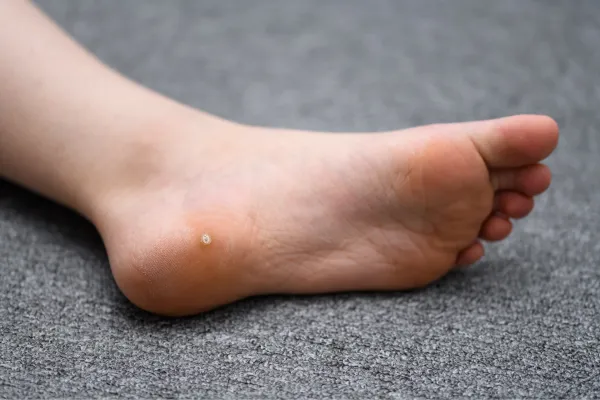
A verruca is just a wart that appears on the sole of your foot. It’s caused by a virus—the human papillomavirus (HPV)—which infects the outer layer of the skin.
They can look like:
A small, rough bump with a thick layer of skin over it
A cluster of little "cauliflower-like" bumps
A flat spot with black dots inside (these are tiny blood vessels)
Unlike warts on your hands, verrucas are under pressure when you walk—so they’re often painful, especially if they’re in a weight-bearing area like your heel or the ball of your foot.
So, Why Does It Keep Coming Back?
Here are the most common reasons your verruca just won’t go away—or keeps returning after treatment:
1. The Virus Is Still Active in the Skin
Verrucas come from a viral infection in the skin. If your treatment only removes the surface skin without killing the virus underneath, the verruca can regrow. Some treatments simply don’t go deep enough—or don’t stimulate the immune system to fight off the virus properly.
2. It Wasn’t Fully Removed the First Time
Even if the top layer looks “gone,” a small amount of infected tissue left behind can restart the verruca. That’s why it often seems like it “comes back” in the exact same spot. In reality, it probably never fully left.
3. Weakened Immune Response
Some people’s immune systems don’t respond strongly to the HPV virus, especially if they’re under stress, feeling run-down, or have other illnesses. If your immune system doesn’t recognise and attack the virus, verrucas can stick around for years.
4. You're Picking It Up Again
Verrucas are contagious. You can pick up the virus again from:
Shared changing rooms or swimming pool areas
Walking barefoot at the gym
Reusing the same shoes and socks without washing
Touching the verruca and then another part of your foot
Even at home, walking barefoot with an active verruca can cause it to spread to other parts of your foot—or someone else’s.
5. You Have Multiple, Hidden Verrucas
You might think you only have one, but it’s common to have several developing beneath the surface. Treating one doesn't always stop the others. Without a thorough check from a podiatrist, the untreated ones can keep the infection going.
What Can You Do About It?
The good news is that verrucas can be treated effectively—with the right approach.
At Podiatry Glasgow, we offer specialist verruca treatments that go beyond what you’ll find in a pharmacy.
These may include:
✅ Swift Microwave Therapy
One of the most advanced treatments available. Swift uses microwave energy to heat the verruca and stimulate your body’s immune response—clearing the virus from the inside out. It’s fast, clean, and doesn’t break the skin.
✅ Cryotherapy (Freezing)
This involves freezing the verruca tissue to damage the virus and allow your body to heal. Best for small or surface-level verrucas.
✅ Debridement & Stronger Topicals
We can remove thick skin over the verruca and apply high-strength treatments you can’t buy over the counter. These go deeper and are often more effective.
✅ Advice on Foot Hygiene and Prevention
We’ll help you prevent reinfection with advice on foot care, shoe hygiene, and reducing spread—especially important for families or people who use shared facilities.
When to See a Specialist
If you’ve had a verruca for more than 3 months and it’s:
Painful
Getting bigger
Starting to multiply
Coming back after treatment
…then it’s time to see a podiatrist.
Trying home remedies again and again often just wastes time (and money). A quick assessment can save you months of frustration.
You Don’t Have to Put Up With It
Verrucas can be painful, embarrassing, and stubborn—but they’re not unbeatable. Whether you’ve had yours for weeks or years, we’ll help you find a solution that actually works.
Let’s get rid of that verruca—for good.